
Home security starts with understanding the fundamentals of locksmith safety and maintenance. Whether you're a new homeowner in Flushing, NY or you've been living in the College Point area for years, knowing how to properly secure your property can make the difference between a safe haven and a vulnerable target. At College Point Locksmith, we've seen firsthand how simple preventive measures can significantly enhance your home's security. Let's explore the essential locksmith safety tips that every homeowner should implement to protect their family and property.
Invest in High-Quality Locks
Not all locks are created equal, and cutting corners on lock quality is one of the biggest mistakes homeowners make. Your locks are your first line of defense against unauthorized entry, so investing in quality hardware is crucial.
High-security locks offer features like drill resistance, pick resistance, and reinforced strike plates that standard locks simply can't match. Look for locks with ANSI/BHMA Grade 1 certification, which represents the highest level of security for residential applications. Deadbolts should have at least a one-inch throw bolt and be made from hardened steel to resist sawing and cutting.
When upgrading your locks, consider smart lock technology that allows you to monitor access remotely and receive alerts when doors are opened. These modern solutions provide convenience without sacrificing security, and many models can integrate with existing home security systems.
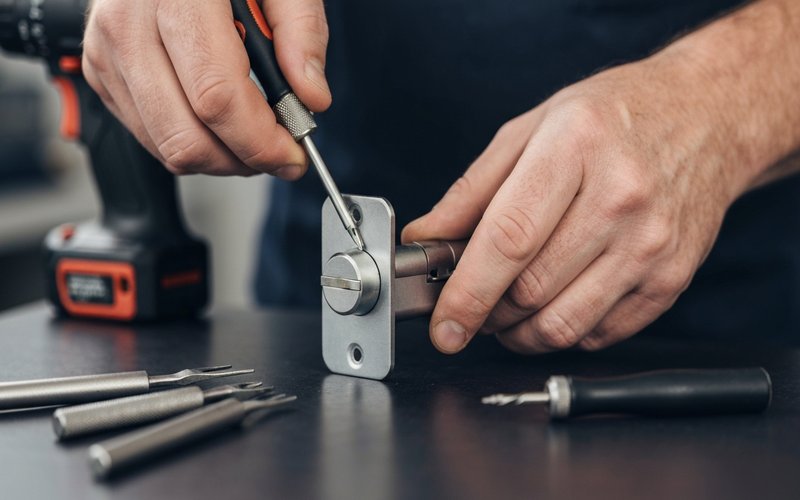
Secure All Entry Points
Many homeowners focus exclusively on their front door while neglecting other potential entry points. Burglars often target side doors, back doors, basement windows, and garage entrances because they're typically less secure and more secluded.
Conduct a thorough assessment of your property:
- Back and side doors: Install deadbolts on all exterior doors, not just the front entrance
- Sliding glass doors: Add a security bar or dowel in the track and install anti-lift devices
- Basement windows: Use window locks and consider installing security bars on ground-level windows
- Garage doors: Keep your garage door closed and locked, even when you're home
- French doors: Install flush bolts at the top and bottom of the inactive door
Regularly Change Locks
Lock replacement isn't just for when something breaks. There are several situations when changing your locks should be a priority:
After moving into a new home, immediately rekey or replace all locks. You have no way of knowing how many copies of the previous keys exist or who has access to them. Former owners, contractors, real estate agents, or previous tenants may still have keys.
If you've experienced a break-in or attempted burglary, replace all affected locks immediately. If keys have been lost or stolen, don't wait to change your locks. Similarly, after ending a relationship with someone who had keys to your home or if a roommate moves out, rekeying ensures your security isn't compromised.
As a general maintenance practice, consider rekeying your locks every few years, especially if you've had multiple service workers, babysitters, or house sitters with access over time.
Install a Comprehensive Security System
Modern security systems go far beyond basic alarm functions. Today's systems integrate locks, cameras, motion sensors, and smart home technology to create a comprehensive security network.
A properly installed security system should include:
- Door and window sensors on all entry points
- Motion detectors in key areas of your home
- Security cameras covering exterior entrances and blind spots
- Smart doorbell with video capability to monitor visitors
- Professional monitoring for 24/7 emergency response
Access Control Systems
For homeowners seeking maximum security and convenience, access control systems represent the cutting edge of residential security technology. These systems eliminate the vulnerabilities associated with traditional keys.
Keypad entry systems allow you to assign unique codes to family members, eliminating the need for physical keys that can be lost or copied. You can easily change codes when needed without replacing hardware. Biometric systems using fingerprints provide even higher security, ensuring only authorized individuals can gain entry.
Smart locks with smartphone connectivity let you lock and unlock doors remotely, grant temporary access to visitors, and receive notifications of all entry activity. This is particularly useful for managing service providers or monitoring when children arrive home from school.
Seasonal Lock Maintenance Best Practices
Spring Lock Maintenance: Refresh and Inspect
As winter thaws, inspect your locks for any damage caused by cold weather and ice. Lubricate all locks with graphite-based lubricant (never oil-based products) and test every key to ensure smooth operation. This is also an ideal time to check weatherstripping around doors.
Summer Security Preparations
With vacation season approaching, ensure all locks function properly before leaving town. Consider installing timers on lights and having mail held to avoid advertising your absence. Test backup keys and ensure trusted neighbors have emergency access if needed.
Fall Lock Tune-Up: Prepare for Harsh Weather
Before winter arrives, clean debris from door frames and apply fresh weatherstripping to prevent moisture intrusion that can freeze locks. Check that all exterior doors close and latch properly, as settling can affect alignment.
Winter Lock Protection Strategies
In freezing temperatures, keep locks lubricated to prevent ice formation inside mechanisms. Never force a frozen lock—use de-icer spray designed for locks. Keep emergency access methods in mind if locks freeze shut.
Year-Round Maintenance Best Practices
Regular maintenance extends lock life and ensures reliable operation. Clean locks quarterly, test all keys monthly, and address sticky or difficult-to-turn locks immediately before they fail completely.
Understanding Locksmith Costs and Services
Knowing what to expect regarding locksmith services helps you make informed decisions and budget appropriately. Lock replacement typically costs between $100-$250 per lock, depending on the quality and complexity of the hardware. Rekeying services usually range from $50-$150 and provide a cost-effective alternative to complete replacement.
Labor costs vary based on service complexity, time of day, and whether it's an emergency call. Standard service calls during business hours are less expensive than late-night emergencies. High-security locks and specialized systems require advanced expertise and accordingly cost more.
While tipping isn't required for locksmith services, it's appreciated for exceptional service, particularly during emergency calls or challenging jobs. A tip of $10-$20 is customary if you're satisfied with the service.
Certain high-security keys marked "Do Not Duplicate" require authorization and specific equipment to copy, providing an additional layer of security. Restricted keyways and patent-protected key systems prevent unauthorized duplication.
Need Professional Help?
Implementing these locksmith safety tips will significantly improve your home's security, but nothing replaces professional expertise. At College Point Locksmith, serving Flushing and surrounding neighborhoods from our location at 11-75 129th St, we provide comprehensive security assessments, lock installation and replacement, emergency lockout services, and expert advice tailored to your specific needs.
Our experienced team understands the unique security challenges homeowners face in the Queens area. Whether you need a simple rekey, complete lock upgrade, or consultation on a comprehensive security system, we're here to help protect what matters most.
Don't wait until a security breach occurs to take action. Contact College Point Locksmith today to schedule a security consultation and ensure your home is properly protected. Your family's safety is worth the investment in quality locks and professional installation. Call us now to discuss your home security needs and discover how we can help you sleep better at night knowing your home is secure.